
One of the greatest challenges in African business is transportation to landlocked countries. Uganda, Rwanda, Burundi, and further south, Zambia and Zimbabwe, among others. Delivering cargo to these inland nations requires trucks to travel thousands of kilometres from gateway ports, crossing multiple borders along the way.
While severe infrastructure constraints and complex procedures remain high barriers, new arteries are steadily forming on Africa’s logistics map. Inland transport is evolving from an “impossible challenge” into a “strategic choice.”
1. “Logistics Arteries” from East Africa: Progress of Major Corridors
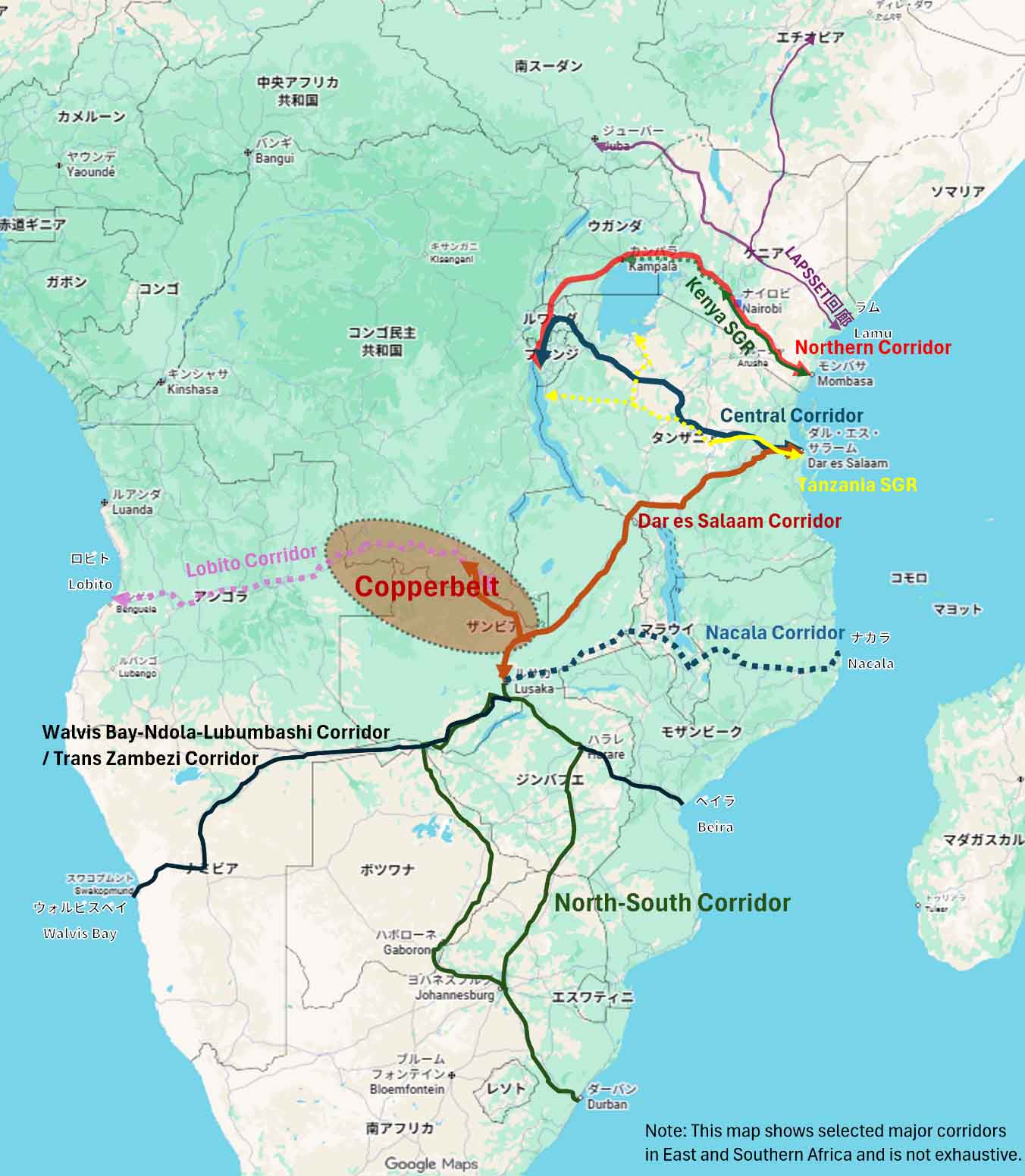
Across the continent, development of major corridors—the arteries of logistics—is advancing. Routes starting from East African ports have established clear transport pathways to inland countries that once seemed distant both physically and institutionally. Representative corridors supporting East Africa’s inland economies include:
- Northern Corridor: Starting at Kenya’s Mombasa Port, connecting Uganda, South Sudan, Rwanda, Burundi, and eastern DRC.
- Central Corridor: Originating from Tanzania’s Dar es Salaam Port, extending to Rwanda, Burundi, and Uganda.
- Dar es Salaam Corridor: Linking Dar es Salaam Port to Zambia’s Lusaka and southern DRC’s Copperbelt (Lubumbashi, etc.), vital for mineral resource transport.
Continuous improvements—road paving, customs system integration—are transforming opaque transport into routes with potential to reach destinations like Kigali from Mombasa in about a week under favourable conditions.
Yet infrastructure gaps and operational challenges remain. Still, as these arteries strengthen, formerly “remote inland” regions are being woven into global supply chains.
2. Towards Smarter Borders: Digital and Institutional Evolution
Supporting this speed is digitalisation and regulatory reform. East Africa has begun introducing the Single Customs Territory (SCT) system, where data is shared in advance and border procedures are unified. These efforts are reducing waiting times and making logistics smarter.
3. The Reality of “Uncertainty”
Even with better systems and smoother roads, challenges persist:
- System stability: Digitalisation brings vulnerability—system crashes or power outages halt all customs processes.
- Sudden rule changes: Shifts in interpretation or unannounced operational changes can invalidate yesterday’s norms.
- Africa-specific hurdles: Strict pre-shipment inspections mean even minor documentation errors can cause days of delay.
Stable transport depends on gritty, on-the-ground problem-solving capacity.
4. The Structural Challenge of “One-Way Transport”
A major unresolved issue is the imbalance of imports and exports. Many African countries import far more than they export—or exports (like minerals) are concentrated on specific routes.
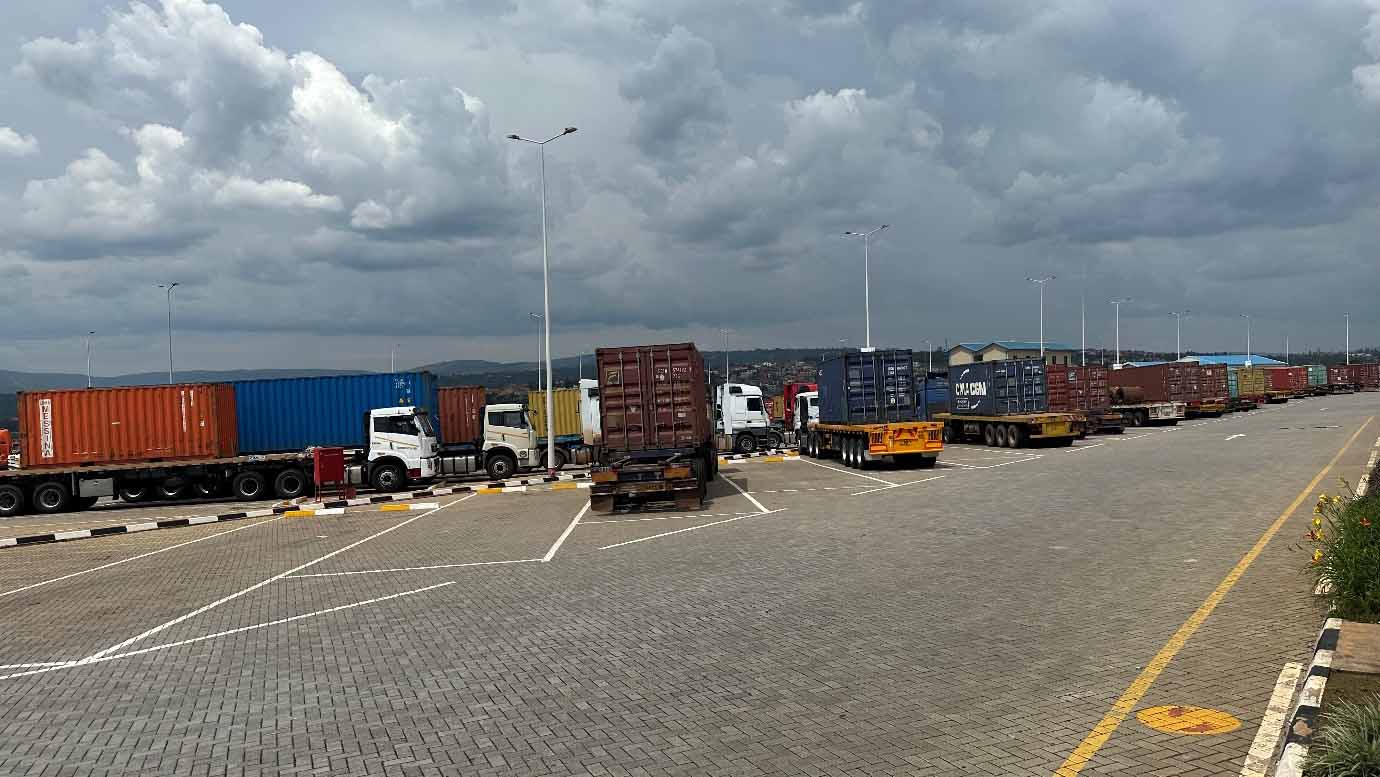
This creates one-way traffic: trucks full heading inland, but empty on return; or loaded with minerals outbound, but nothing inbound. The lack of backhaul means round-trip costs must be covered by one-way freight rates, keeping inland transport costs high.
There is no magical solution yet—efficiency in dispatching and minimising downtime remain the frontline challenges.
5. New Corridors as Gamechangers
Amid these realities, new corridor projects are drawing attention:
- Nacala Corridor: Developed with Japan and international institutions.
- Lobito Corridor: Backed by Western nations, development banks, and private firms, connecting Zambia and DRC to the Atlantic.
- LAPSSET Corridor: Starting from Kenya’s Lamu Port, linking South Sudan and Ethiopia.
These projects promise stronger logistics networks across Southern Africa. However, compared to established Northern and Central Corridors, they remain in early stages of infrastructure and commercial reliability.
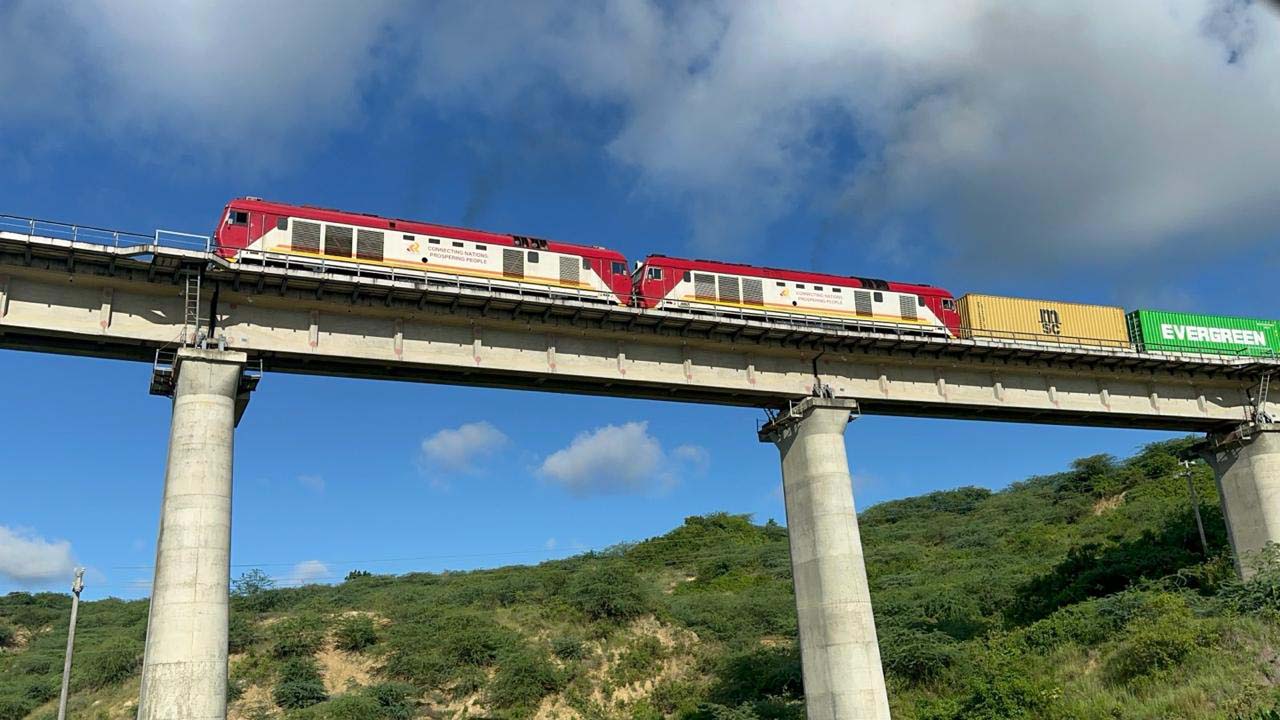
Rail developments like Tanzania’s SGR and Kenya’s planned extension into Uganda further reshape the logistics map. Success depends on real-time assessment of which routes are truly functional.
6. Conclusion: Cross-Border “Field Strength” is Key
Building reliable inland transport requires both up-to-date infrastructure knowledge and hands-on field experience to resolve unexpected issues.
This is why MOL Group partnered with Alistair Group, a cross-border logistics specialist with deep expertise in daily-changing border conditions and business practices.
Final Note
African logistics is evolving dramatically yet still demands constant adaptation to structural challenges and on-the-ground realities. Moving goods here involves far more than straight-line distances on a map—it’s about navigating countless hidden challenges.
For consultation on transport and logistics in Africa, MOL Group offers tailored solutions through its Japan Desk.
MOL Africa Japan Desk
Contact persons: Shinozaki and Shinbo
Email: [email protected]
References | Notes
- JICA:
Nacala Corridor Improvement Project (Project Overview) - Partnership for Global Infrastructure and Investment (PGII) – Lobito Corridor (U.S. Embassy in Angola)
- Tanzania Railways Corporation (TRC) – Projects
https://www.trc.co.tz/ - MOL: Investment in Alistair Group (2024)
MOL to Take Equity Stake in Alistair Group, A Leading Logistics Company in Sub-Saharan Africa